Solution · Freight forwarding
Freight Forwarding
International air and road freight forwarding, bonded warehousing and customs coordination for high-value, regulated and time-critical shipments.
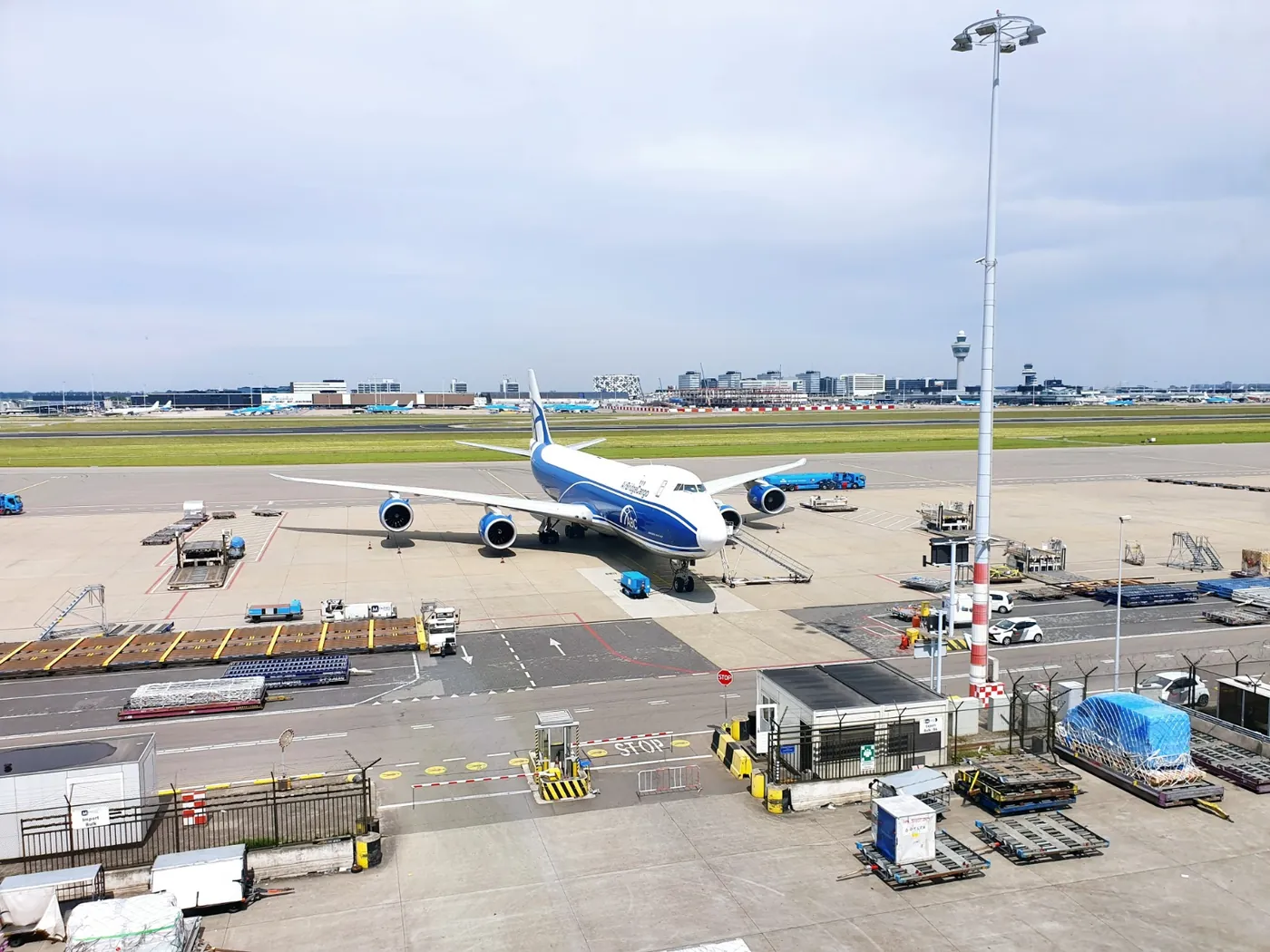
Complex International Freight, Simplified
- UN3480
- Lithium-ion batteries on their ownUPS modules and spare battery packs. Cargo aircraft only.
- UN3481
- Lithium-ion batteries in or with equipmentServers carrying battery backup units.
- Class 9
- Miscellaneous dangerous goodsPacked, documented and booked under the IATA Dangerous Goods Regulations.
Freight forwarding is where the compliance plan becomes physical.
It is also where CFL differs from businesses that treat transport as something to outsource after selling an IOR service.
CFL is an IATA-accredited cargo agent with Dangerous Goods expertise, providing international air and road freight forwarding, warehousing and customs coordination for high-value, regulated and time-critical shipments.
Freight forwarding is not an add-on to the compliance operation.
It is one of CFL's core operational capabilities.
What We Do
Once the cross-border structure has been established, CFL designs and executes the physical movement around it.
Depending on the shipment, this can include:
- collection;
- international air freight;
- international road freight;
- consolidation;
- warehousing;
- shipment-document coordination;
- export handling;
- customs coordination;
- IOR/EOR integration;
- duties and import-VAT disbursement coordination;
- final delivery;
- Dangerous Goods handling where applicable;
- delivery into controlled receiving environments such as data centres, laboratories or specialist commercial sites.
Routing is selected based on more than transit time.
For high-value and regulated cargo, the freight plan may also need to consider customs gateway, import structure, documentation readiness, cargo value, dimensions, security, required handling and destination receiving restrictions.
Why It Matters
The cheapest or fastest theoretical route is not necessarily the route that produces the fastest successful deployment.
Consider a shipment that has:
48-hour air transit
but arrives without a confirmed importer.
The flight performed perfectly.
The deployment failed.
Or consider high-value equipment routed through a gateway without considering where the customs transaction should occur.
Again, the transportation may technically work while the overall cross-border plan does not.
CFL therefore treats freight as part of the transaction rather than as a separate activity.
The freight plan should follow the compliance structure.
Not the other way around.
Common Industry Failures
One common failure is booking freight before compliance review because the cargo is urgent.
Urgency then becomes the justification for skipping preparation.
This often produces the opposite outcome: expensive priority freight followed by a stationary shipment.
Other failures include routing without considering the customs gateway; allowing different providers to work from different commercial documents; providing the customs broker with paperwork only after departure; failing to coordinate duty or import-VAT funding before arrival; inadequate product descriptions on transport documentation; and assuming the final receiving location can automatically handle every vehicle, delivery window or shipment format.
The most expensive logistics mistake is sometimes not choosing the wrong carrier.
It is moving the cargo before the transaction is ready to move.
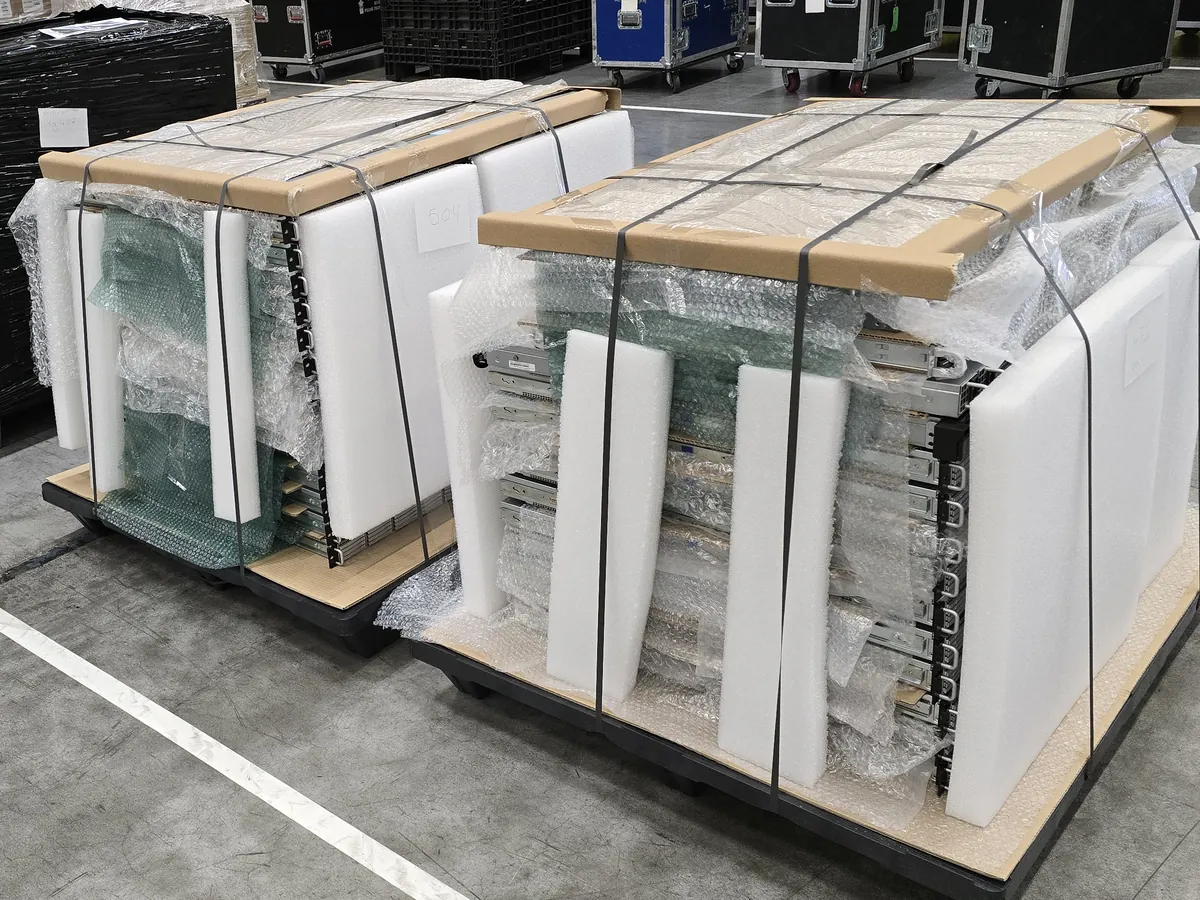
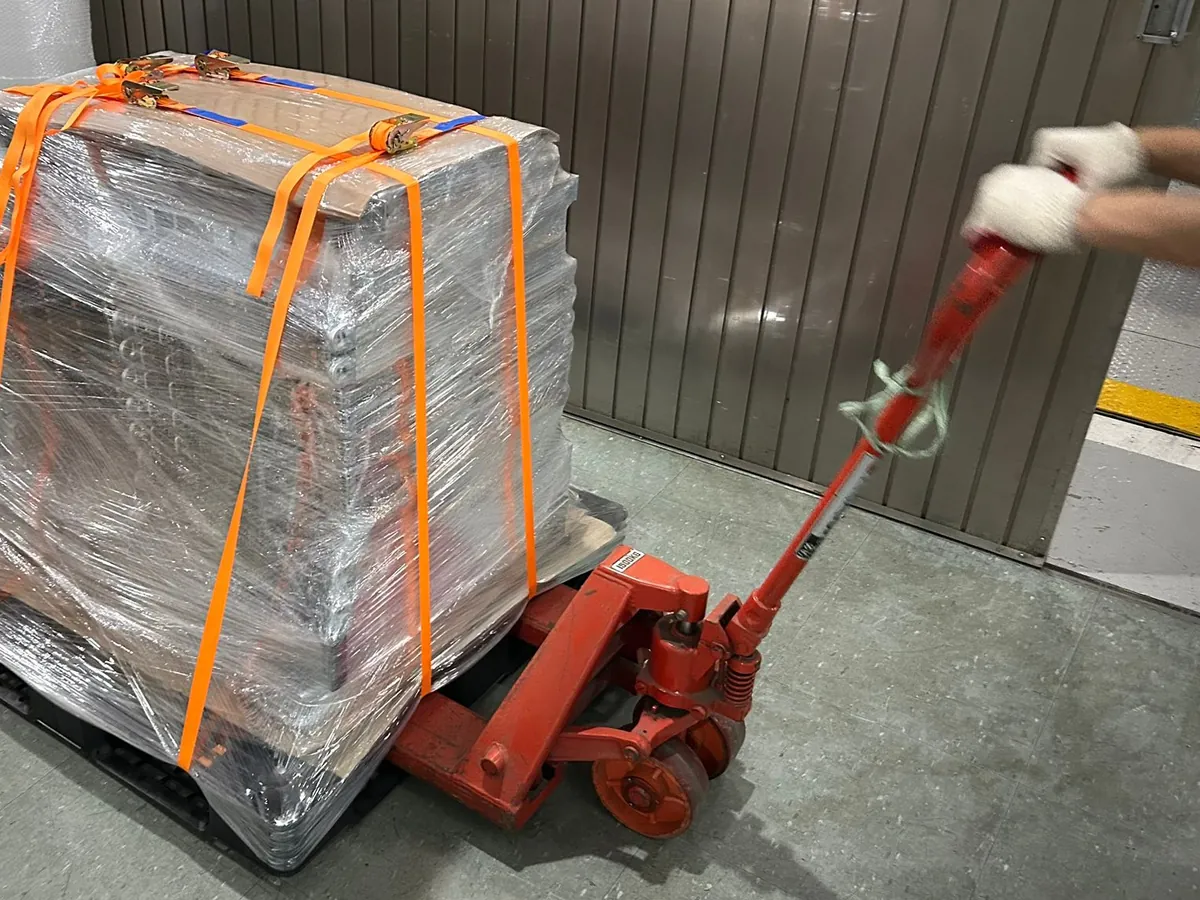
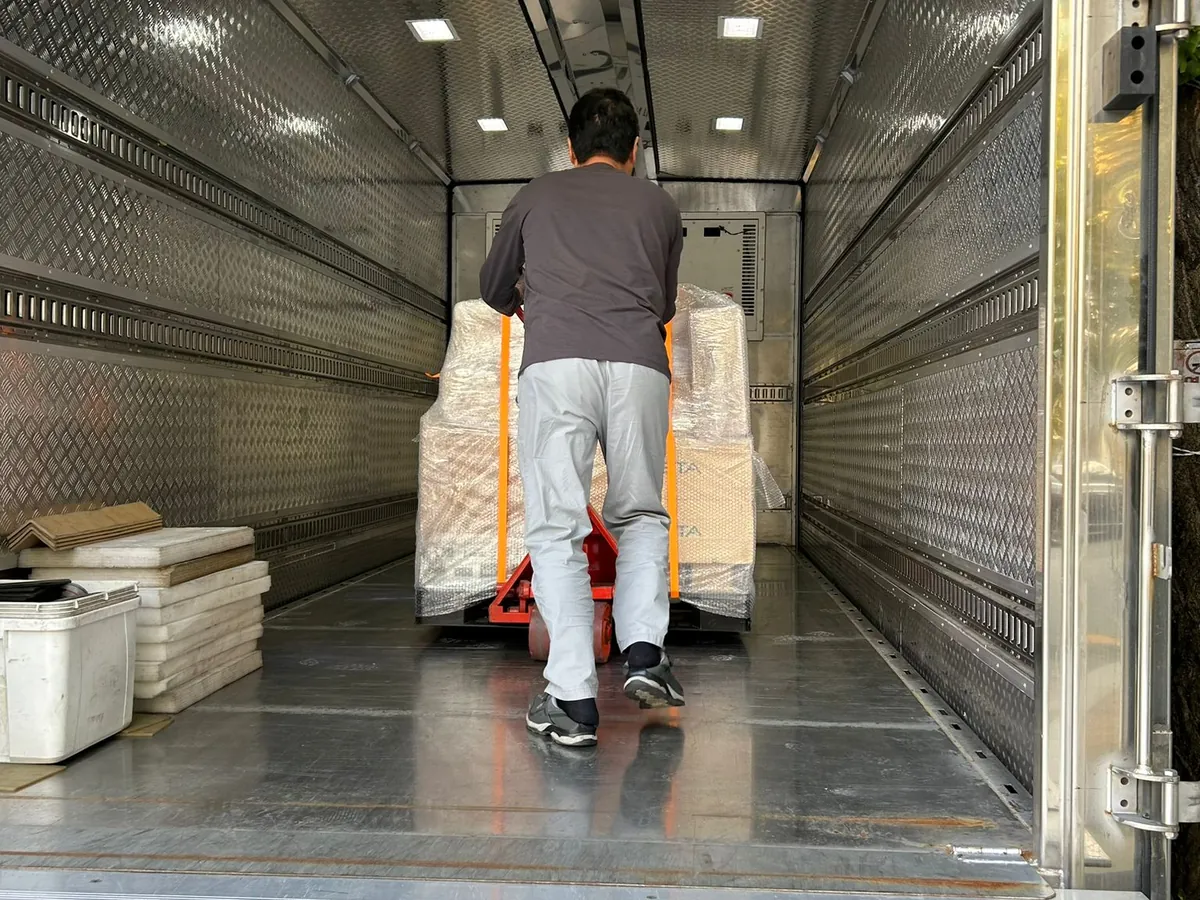
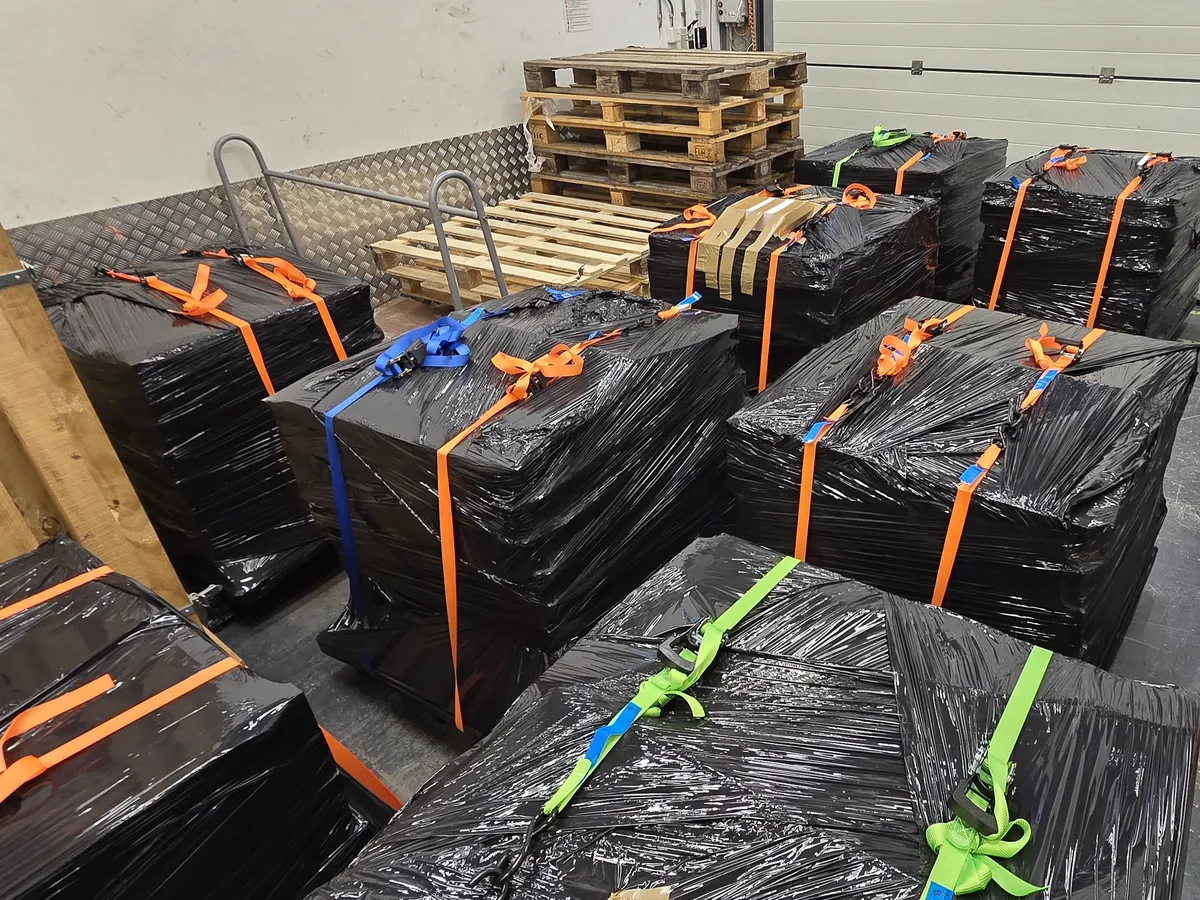
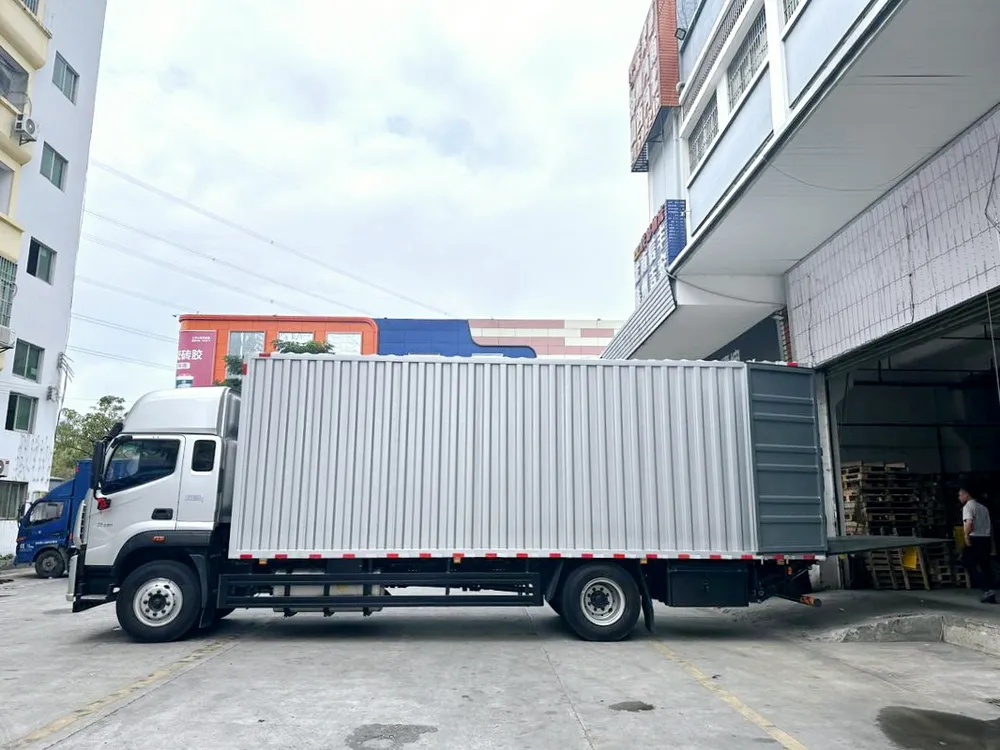
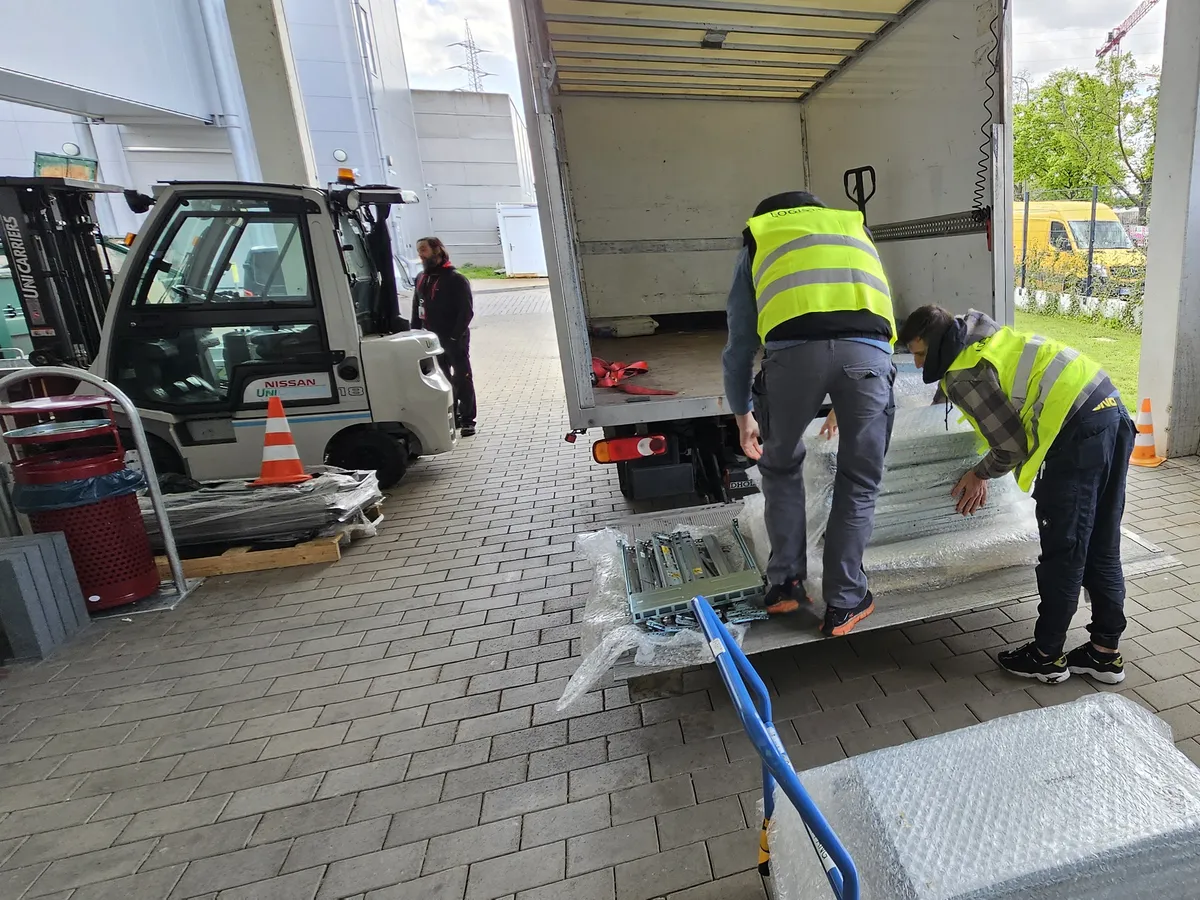
A move, photographed on the job
Taken by the team on different shipments and set in the order a move runs, from the crate to the dock; none of it is stock.
Talk to an Expert
Request a Corridor Check
Tell us the origin, the destination and what is moving. We come back with the licences you need, the duties you will pay, and how long it takes.
Every enquiry to sales@cflworldwide.com is answered by a trade compliance specialist within four business hours.