Solution · Freight forwarding
Freight Forwarding
International air and road freight forwarding, bonded warehousing and customs coordination for high-value, regulated and time-critical shipments.
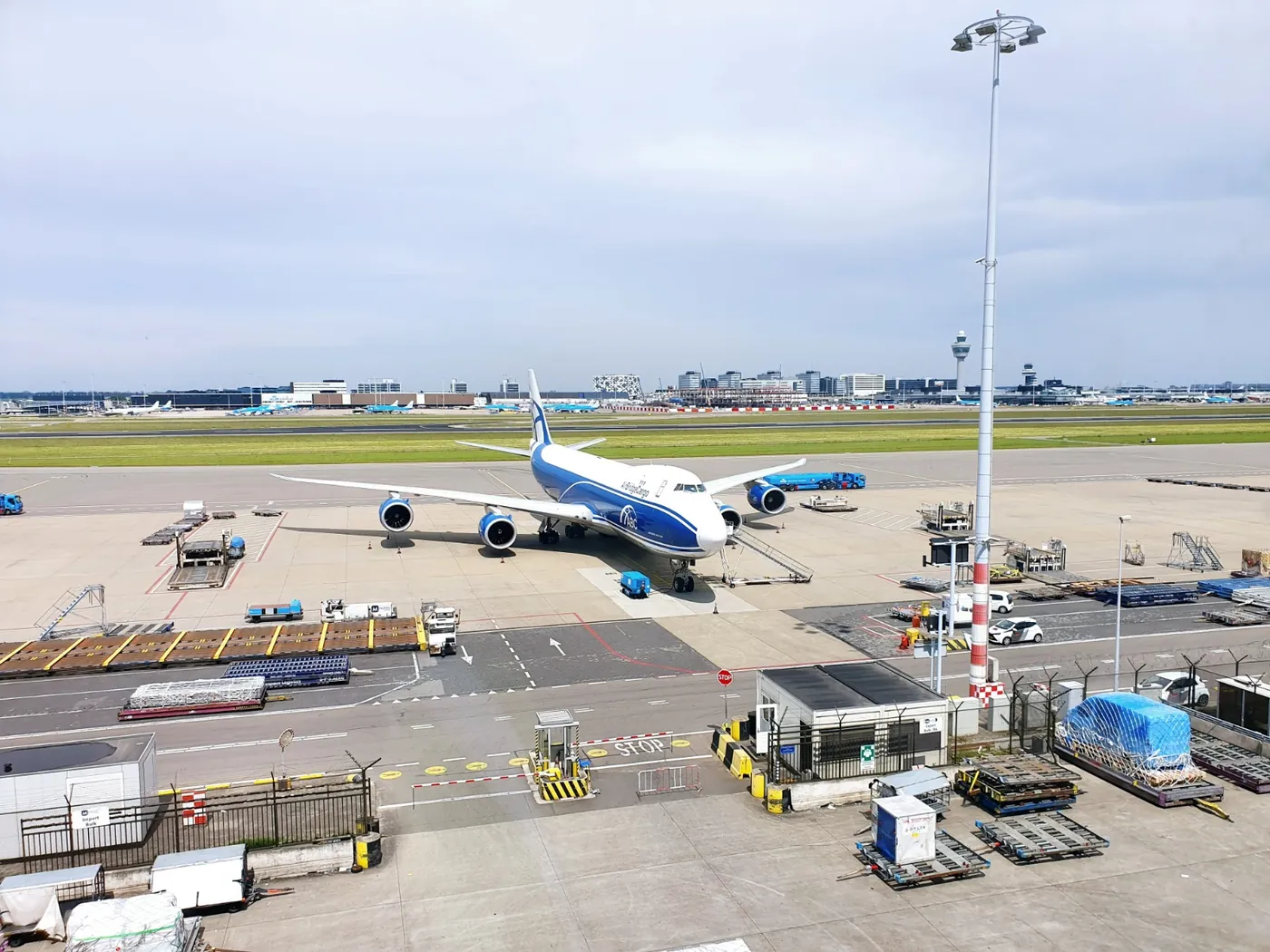
Complex International Freight, Simplified
- UN3480
- Lithium-ion batteries on their ownUPS modules and spare battery packs. Cargo aircraft only.
- UN3481
- Lithium-ion batteries in or with equipmentServers carrying battery backup units.
- Class 9
- Miscellaneous dangerous goodsPacked, documented and booked under the IATA Dangerous Goods Regulations.
Freight forwarding is where the compliance plan becomes physical.
It is also where CFL differs from businesses that treat transport as something to outsource after selling an IOR service.
CFL is an IATA-accredited cargo agent with Dangerous Goods expertise, providing international air and road freight forwarding, warehousing and customs coordination for high-value, regulated and time-critical shipments.
Freight forwarding is not an add-on to the compliance operation.
It is one of CFL's core operational capabilities.
What We Do
Once the cross-border structure has been established, CFL designs and executes the physical movement around it.
Depending on the shipment, this can include:
- collection;
- international air freight;
- international road freight;
- consolidation;
- warehousing;
- shipment-document coordination;
- export handling;
- customs coordination;
- IOR/EOR integration;
- duties and import-VAT disbursement coordination;
- final delivery;
- Dangerous Goods handling where applicable;
- delivery into controlled receiving environments such as data centres, laboratories or specialist commercial sites.
Routing is selected based on more than transit time.
For high-value and regulated cargo, the freight plan may also need to consider customs gateway, import structure, documentation readiness, cargo value, dimensions, security, required handling and destination receiving restrictions.
Why It Matters
The cheapest or fastest theoretical route is not necessarily the route that produces the fastest successful deployment.
Consider a shipment that has:
48-hour air transit
but arrives without a confirmed importer.
The flight performed perfectly.
The deployment failed.
Or consider high-value equipment routed through a gateway without considering where the customs transaction should occur.
Again, the transportation may technically work while the overall cross-border plan does not.
CFL therefore treats freight as part of the transaction rather than as a separate activity.
The freight plan should follow the compliance structure.
Not the other way around.
Common Industry Failures
One common failure is booking freight before compliance review because the cargo is urgent.
Urgency then becomes the justification for skipping preparation.
This often produces the opposite outcome: expensive priority freight followed by a stationary shipment.
Other failures include routing without considering the customs gateway; allowing different providers to work from different commercial documents; providing the customs broker with paperwork only after departure; failing to coordinate duty or import-VAT funding before arrival; inadequate product descriptions on transport documentation; and assuming the final receiving location can automatically handle every vehicle, delivery window or shipment format.
The most expensive logistics mistake is sometimes not choosing the wrong carrier.
It is moving the cargo before the transaction is ready to move.
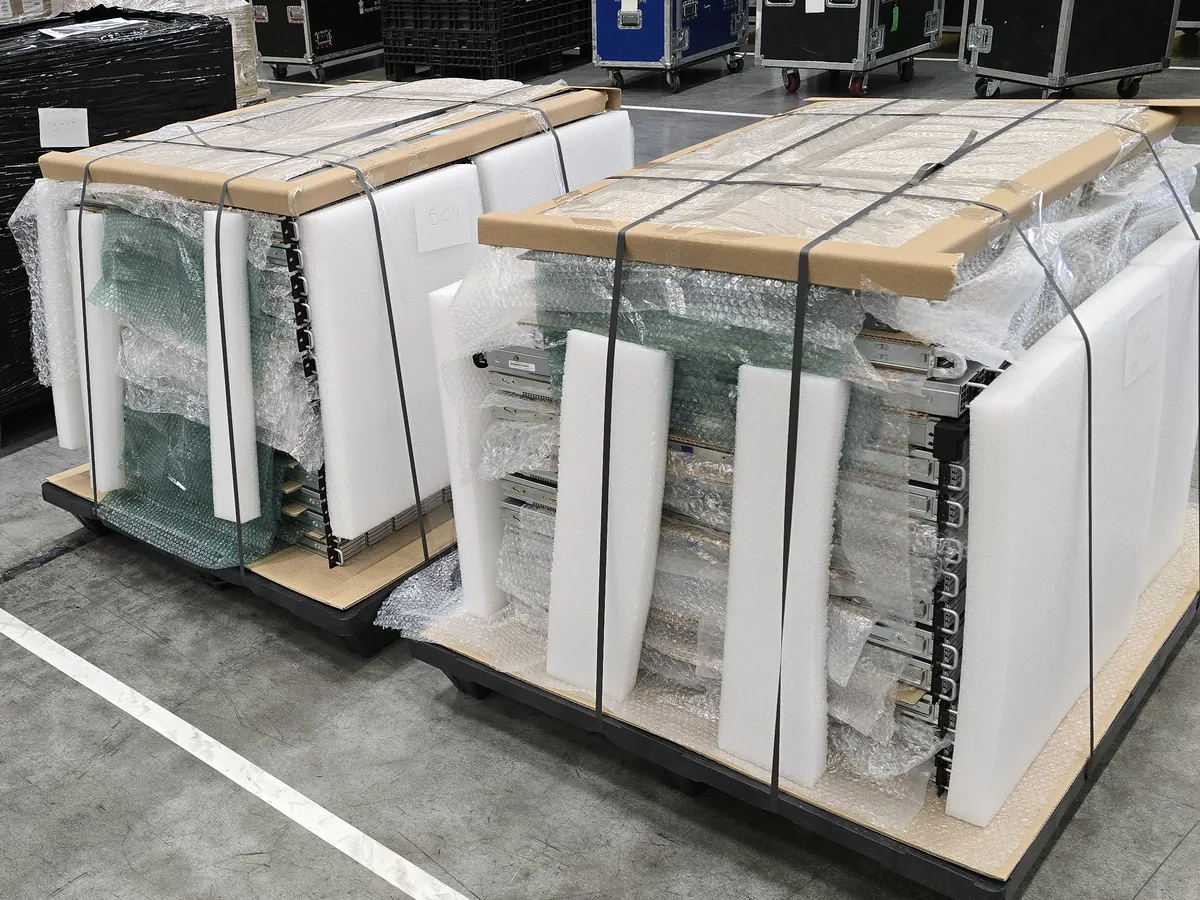
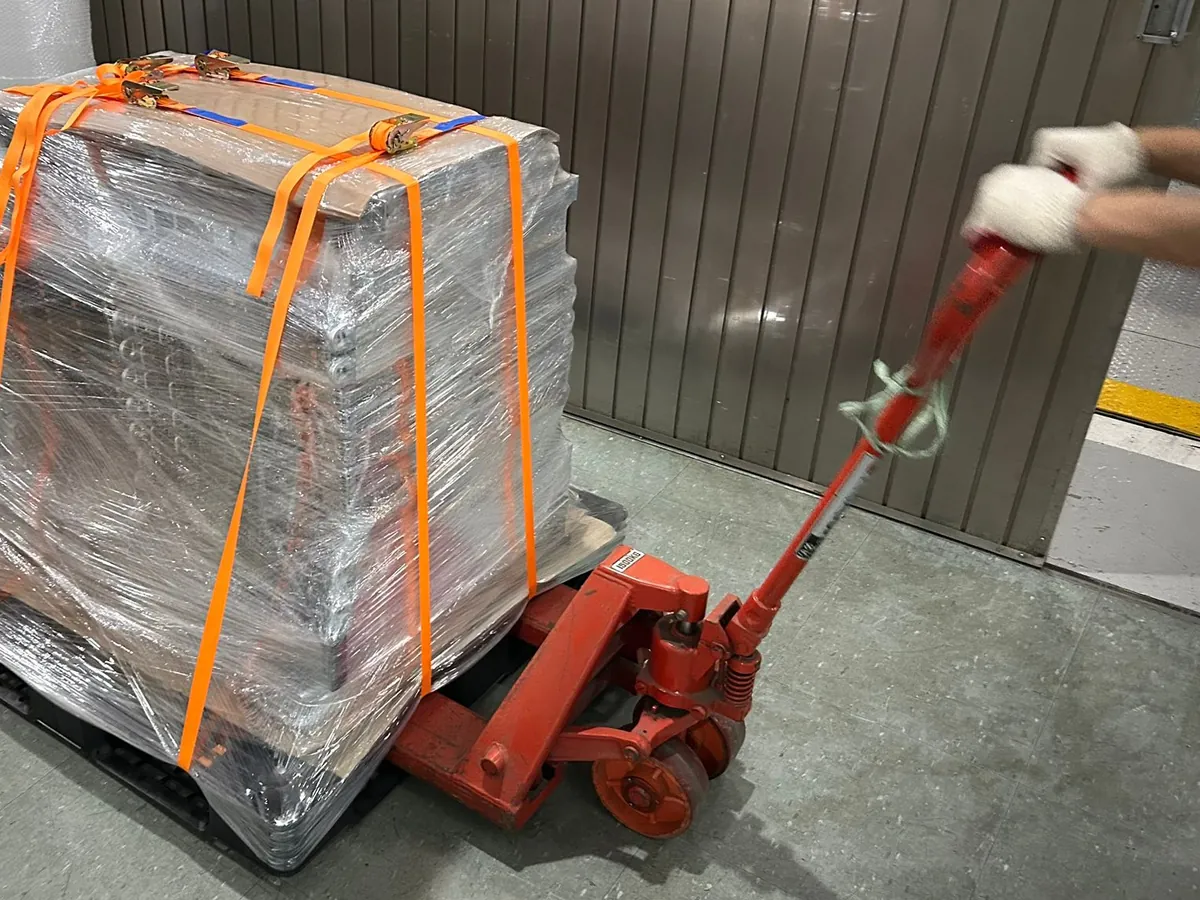
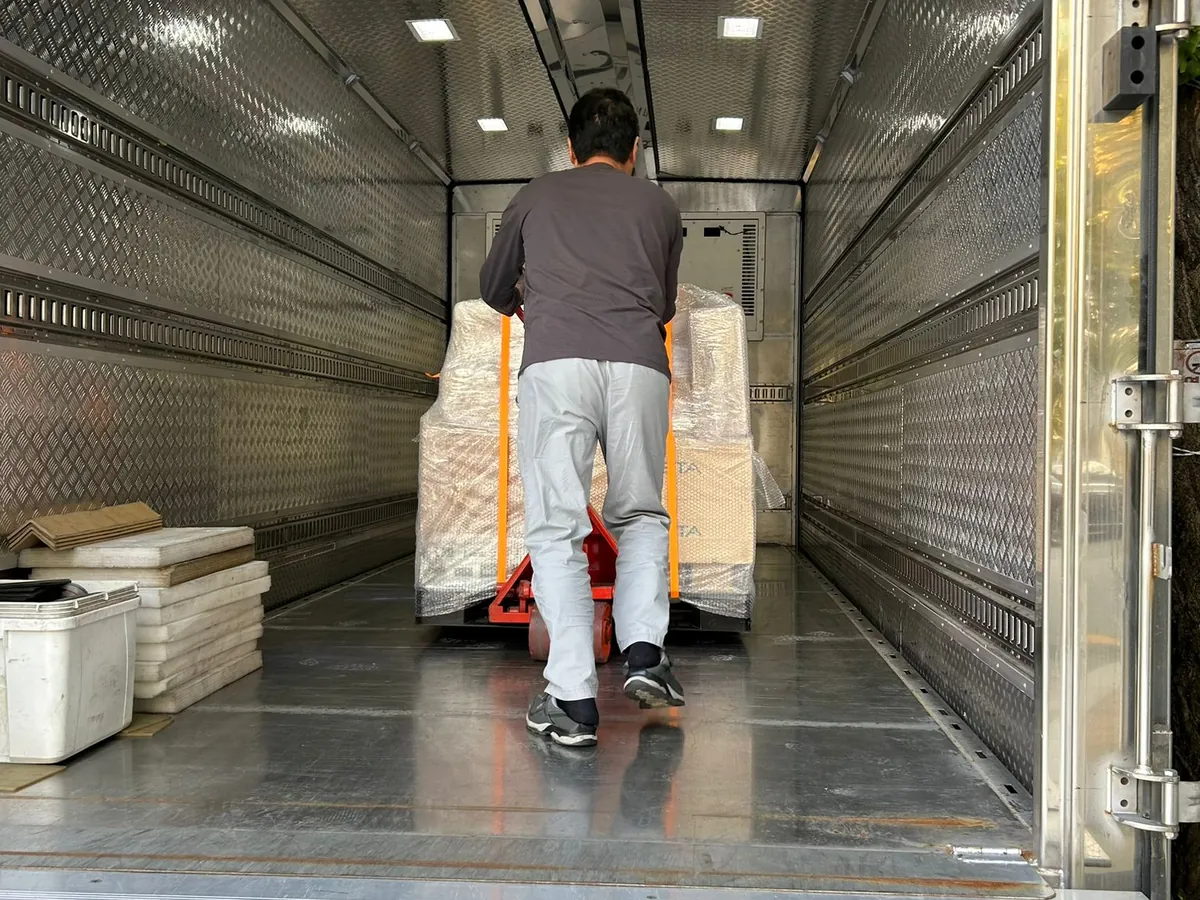
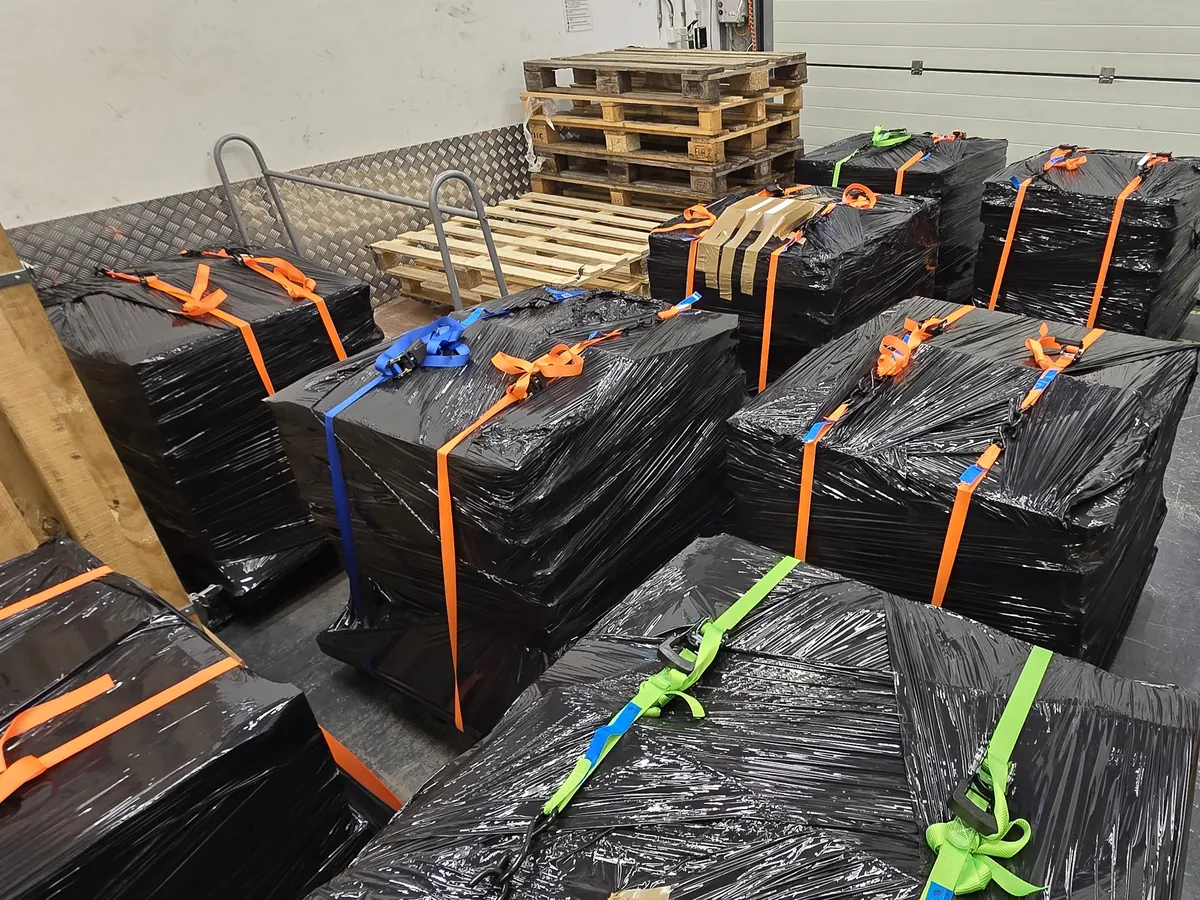
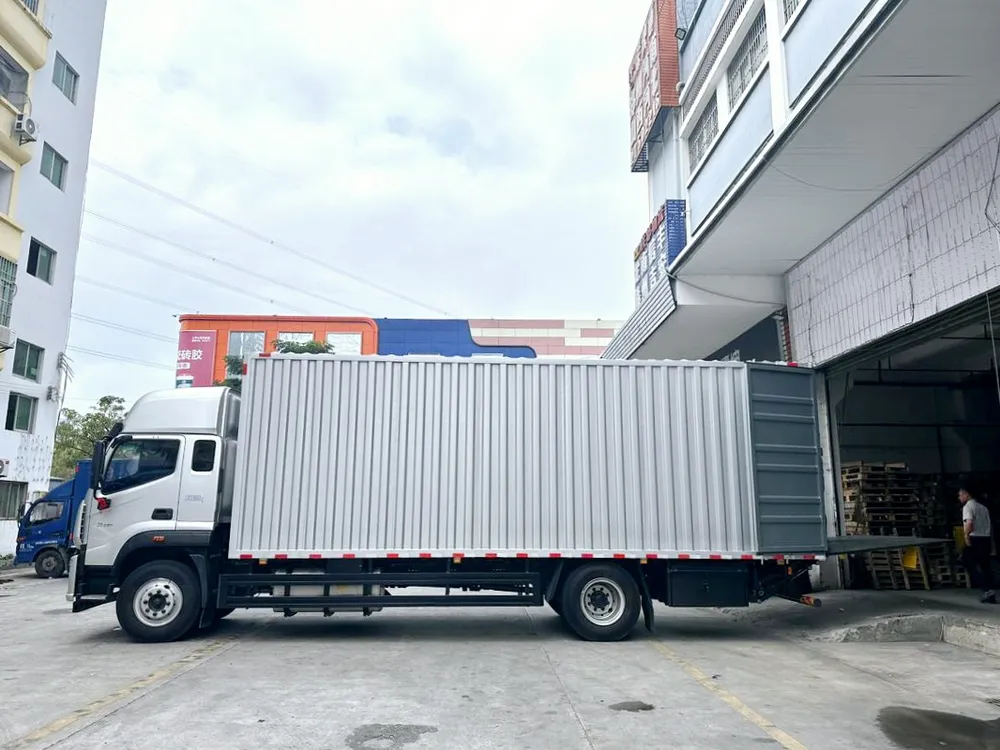
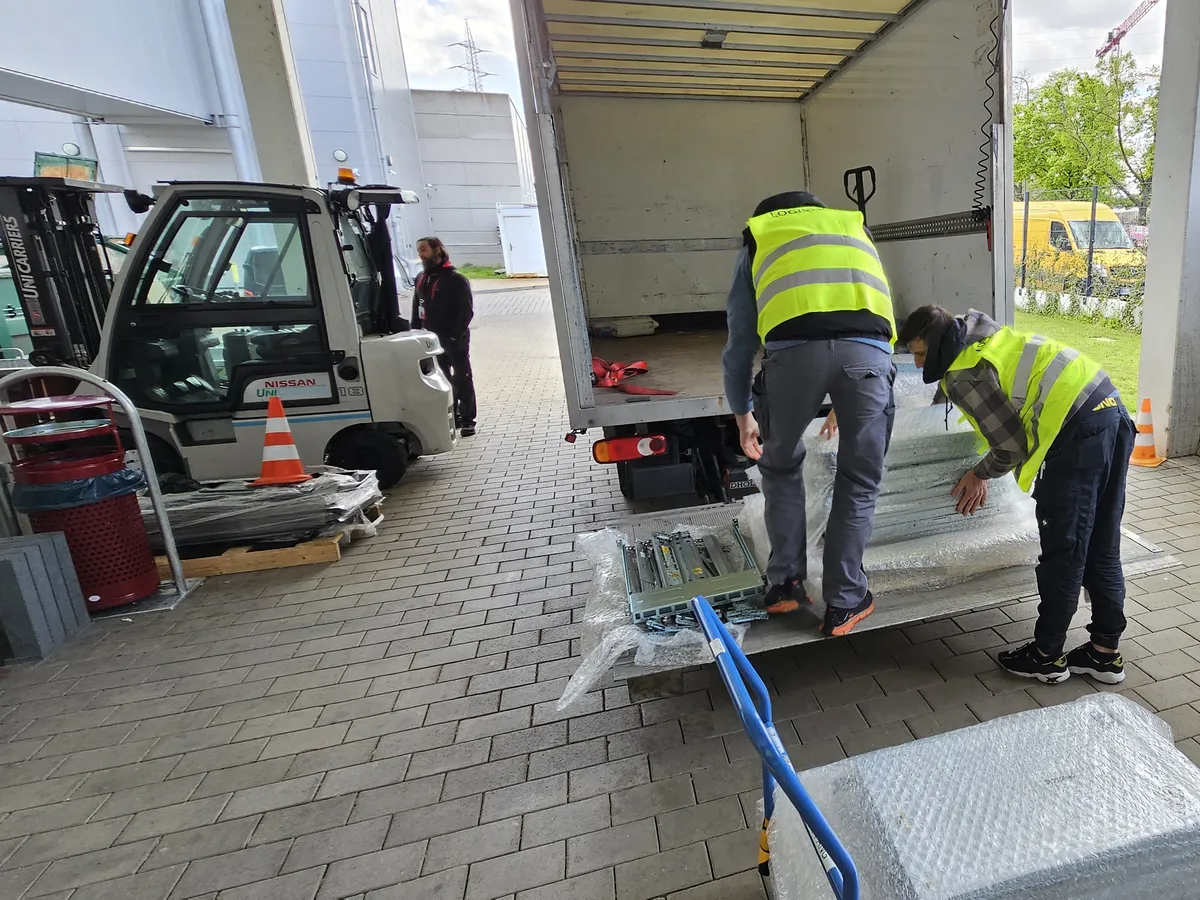
A move, photographed on the job
Taken by the team on different shipments and set in the order a move runs, from the crate to the dock; none of it is stock.
How the Three Services Work Together
Scenario 3 – Time-Sensitive Medical Equipment
A manufacturer needs to deliver a diagnostic system to an overseas customer but cannot act as local importer.
The installation date is already scheduled.
Simply selecting the fastest air service does not solve the problem.
CFL reviews the import structure, customs documentation, product information and available regulatory evidence before departure.
Where an IOR structure can support the shipment, it is established.
Expected duties, taxes and clearance requirements are identified.
The freight booking then follows the compliance plan.
The objective is to protect the delivery schedule by dealing with border requirements before the deadline reaches the border.
Frequently Asked Questions
Why combine freight forwarding with IOR and compliance?
Because those functions eventually converge at customs.
If separate providers make conflicting assumptions about the importer, product classification, value or shipment documentation, the contradiction normally becomes visible only after the cargo moves.
Coordinating them earlier reduces those interfaces.
When should CFL become involved?
Before freight is booked whenever possible.
The earlier CFL can review the transaction, the more options remain available for correcting the importer structure, documentation, customs treatment or routing without disrupting cargo already in transit.
Who it is for
For deployments where the freight is not the difficult part on its own – but the combination of value, control status, dangerous goods and a fixed delivery window is.
What we take on
An IATA-accredited cargo agent with Dangerous Goods expertise, operating inside the same company that files your declarations.
How it works
Freight assessment
Dimensions, weights, crating, control status and dangerous goods classification are established before a rate is quoted.
Consolidation plan
A multi-vendor build is staged at Schiphol or at origin so that it moves as one consignment and clears as one entry.
Booking
Scheduled, charter or part-charter, matched to the delivery window rather than to the cheapest rotation.
Documentation
Air waybill, dangerous goods declaration, packing list and customs documents issued from the same file, so they cannot contradict each other.
Clearance
Cleared on arrival by the licensed broker in the country of import, with CFL as importer of record where that is the arrangement.
Final mile
Bonded road to the site, delivery inside the booked dock window, and signed handover at the nominated receiving point.
What we need from you
The freight questions that decide the aircraft, the crate and the price.
- Dimensions and gross weight per unit, crated
- Rack format – 19-inch, 21-inch OCP or bespoke
- Battery, coolant and UPS content, with datasheets
- Collection address, contact and available hours
- Destination site, dock contact and delivery window
- Whether the racks travel built or knocked down
- Insurance value and any carrier restrictions in your contract
- Whether the equipment is leaving a live site at end of life
Timelines & capability
Questions procurement asks
Do you move ocean freight?
No. We are an air and road forwarder. Where a deployment genuinely suits sea freight we will say so and coordinate with your ocean carrier, but we will not quote a mode we do not operate.
Can you handle a rack that is already built and populated?
Yes, and it is usually the better answer. Whole-rack crating on air-ride equipment avoids a rebuild on site, which is where damage and schedule loss actually happen.
What makes a data centre shipment dangerous goods?
Most often the lithium batteries in UPS modules and BBUs, and sometimes the coolant. It changes the packing, the documents and which aircraft the consignment can fly on.
Can we use our own carrier?
Yes. We can act as importer of record and trade compliance provider against a movement somebody else operates.
Do you insure the cargo?
All-risk cover is arranged on request and declared at the value you give us. Cover for high-value consignments is confirmed in writing before collection.
Talk to an Expert
Request a Corridor Check
Tell us the origin, the destination and what is moving. We come back with the licences you need, the duties you will pay, and how long it takes.
Every enquiry is answered by a trade compliance specialist within four business hours
sales@cflworldwide.com