Solution · Core
Importer & Exporter of Record (IOR / EOR)
Where the jurisdiction and the transaction allow it, we are named on the customs entry as the legal importer of your infrastructure – and, at origin, as the legal exporter – in countries where you hold no registered entity.
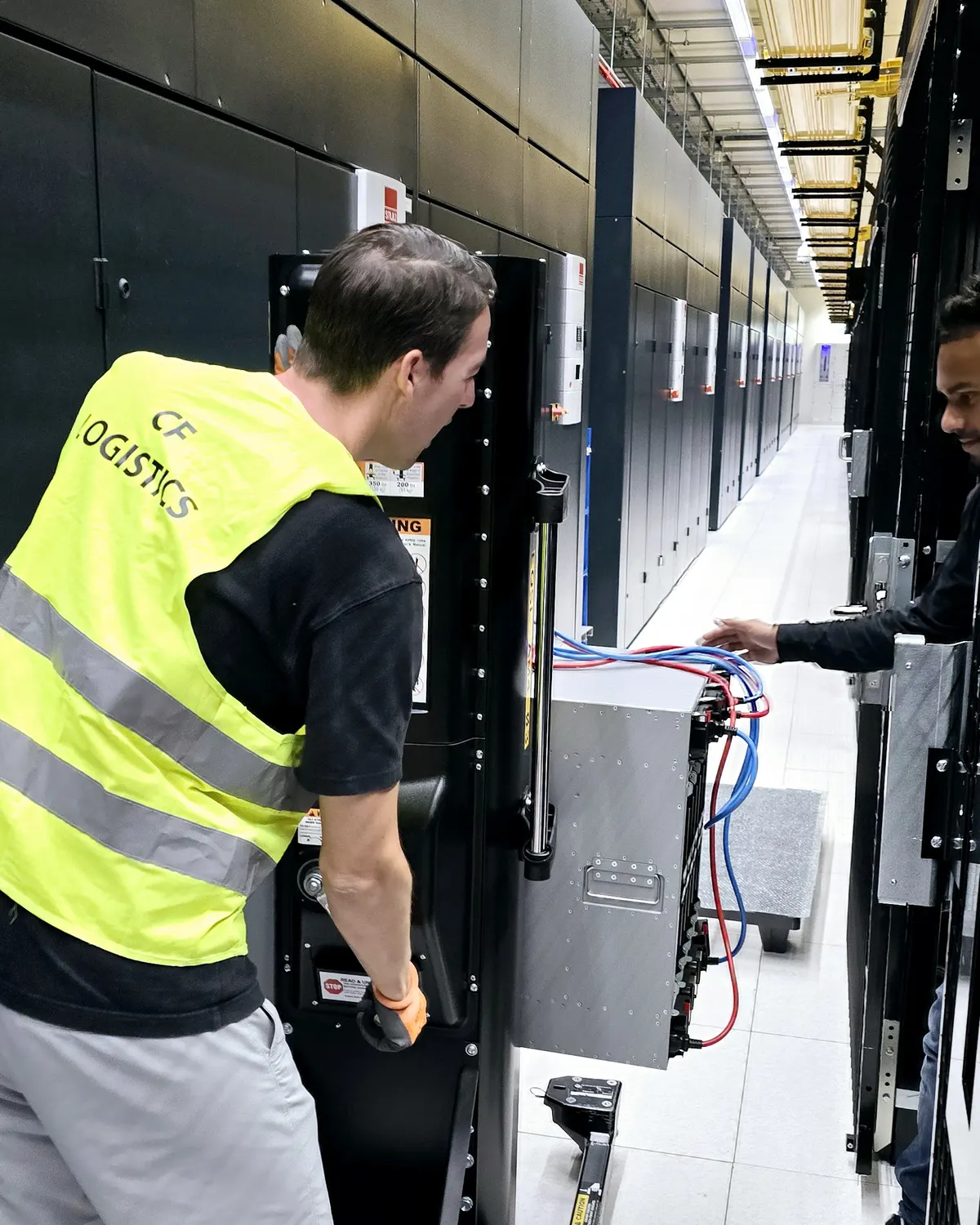
Import & Export Without a Local Entity
Companies increasingly deploy infrastructure into countries where they do not maintain their own legal entity, customs registration or import capability.
That creates a basic operational problem:
Who will legally stand behind the import or export transaction?
A consignee address is not automatically an importer.
A data centre may be willing to receive equipment without accepting customs responsibility for customer-owned hardware.
A customer may own the equipment but have no legal entity in the destination country.
A system integrator may have sold an international deployment without having import capability in every market included in the project.
In those situations, the shipment needs an appropriate import or export structure before it moves.
What We Do
CFL evaluates whether an IOR or EOR structure can support the proposed transaction.
That review starts with the actual shipment rather than a country coverage map.
We look at factors such as:
- origin and destination;
- seller, purchaser and end user;
- ownership of the equipment;
- proposed consignee;
- product type;
- new, used or refurbished status;
- value;
- customs classification;
- purpose of the movement;
- expected duties and import VAT;
- product-specific import requirements;
- available export information;
- delivery location.
Where the transaction and jurisdiction permit it, CFL or an appropriate importing/exporting structure can perform the required role and coordinate it with customs clearance and freight execution.
The exact legal responsibilities of the importer or exporter depend on the jurisdiction and transaction and are established before shipment.
Why It Matters
The importer is not simply a name appearing on paperwork.
The importing party may carry customs responsibilities concerning the accuracy of the declaration, value, classification, supporting documentation, duties, taxes and compliance with applicable import requirements.
That is why CFL does not treat IOR as a paperwork workaround.
Before accepting or coordinating an importer structure, the underlying transaction has to make sense.
For example, consider a European AI infrastructure company deploying servers into a data centre in another country.
The data centre operator provides rack space and receives the equipment physically.
That does not automatically mean the facility should become importer.
The project must establish:
who owns the equipment→who sells it→who imports it→who funds duties and VAT→who receives it→what happens to the equipment afterwards
Resolving that before shipment is significantly easier than trying to change importer arrangements while the equipment is already at customs.
Common Industry Failures
A large number of IOR problems originate before the provider becomes involved.
Typical examples include booking freight while importer responsibility remains unresolved; assuming the consignee can act as importer because its address appears on the shipping documents; using DDP Incoterms without actually establishing a valid import structure; appointing an IOR before disclosing the real product, end user or transaction; and assuming that because an IOR structure worked for one shipment it will automatically work for another country or product.
There is another common mistake:
confusing a customs broker with an Importer of Record.
A broker may prepare and submit a customs declaration on behalf of an importer. That does not automatically mean the broker becomes the party carrying the importer responsibility.
CFL establishes that distinction before the movement begins.
One Cross-Border Transaction, Not Three Separate Services
IOR/EOR, trade compliance and freight forwarding are presented as three services because customers may require them independently.
Operationally, however, they frequently interact.
A typical international deployment can follow this sequence:
- 1.Product and transaction reviewWhat is moving, between whom, and for what purpose?
- 2.Compliance assessmentWhat customs, import and export requirements affect the movement?
- 3.Importer/exporter structureWho is legally able and willing to perform those roles?
- 4.Duty and import-cost planningWhat financial obligations arise at the border?
- 5.Freight executionHow should the cargo physically move around that structure?
- 6.Customs clearance and deliveryDo the physical shipment and declared transaction match?
That integrated model is especially relevant for high-value technology because the commercial, regulatory and physical parts of the movement cannot be separated cleanly once the shipment reaches the border.
How the Three Services Work Together
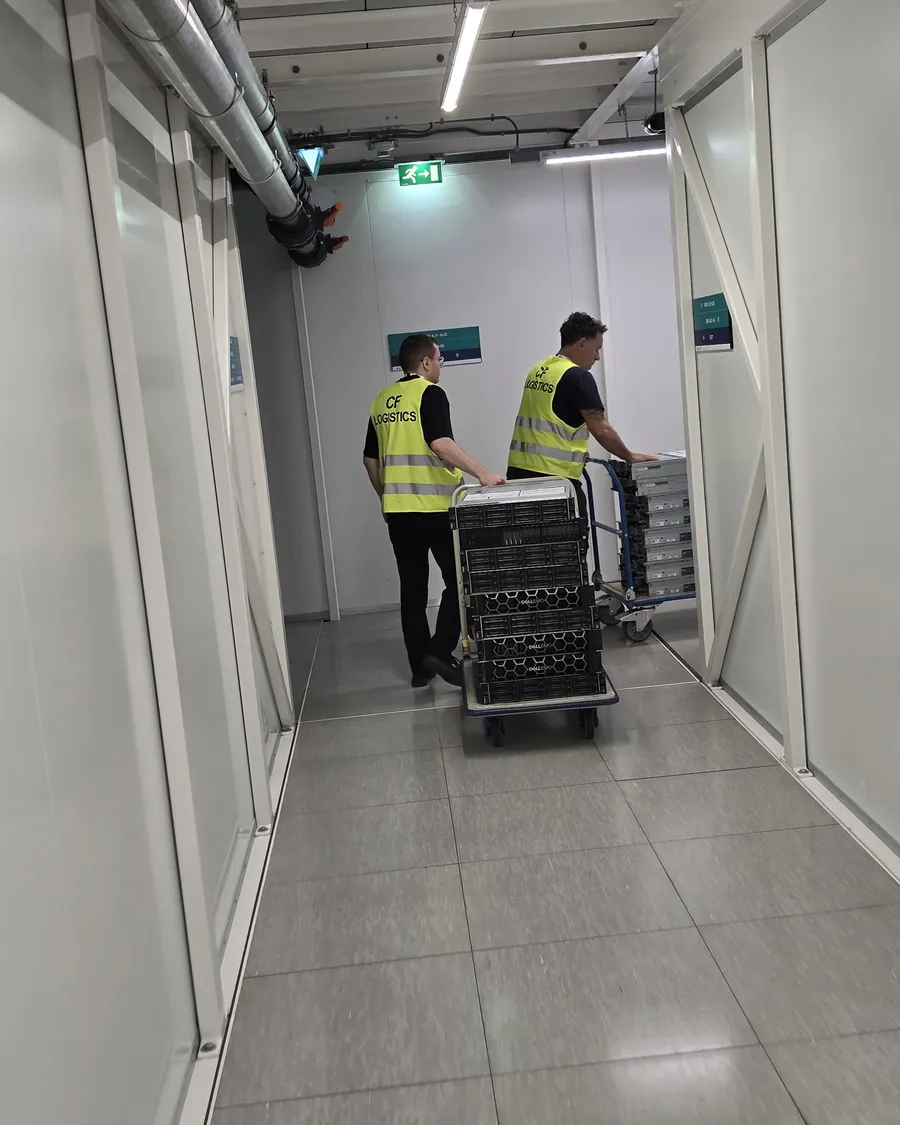
Scenario 1 – GPU Infrastructure Into a New Market
A cloud infrastructure company purchases GPU servers for deployment into a data centre in a country where it has no importing entity.
The data centre agrees to receive the racks but will not become importer.
- IOR/EOR:
- CFL establishes whether an appropriate importer structure is available for the transaction.
- Trade Compliance:
- Product information, available export classification, parties, destination, end use, customs classification and import requirements are reviewed.
- Freight Forwarding:
- Once the transaction is ready, CFL coordinates international freight, customs and delivery to the nominated receiving point.
The problem is therefore not treated as:
“How do we fly these servers there?”
It is treated as:
“How do we lawfully structure and execute the entire cross-border movement?”
Frequently Asked Questions
Do customers need to use all three CFL services?
No.
A company may already have its own importer and require only freight forwarding.
Another customer may have an established freight arrangement but require IOR support.
Others need CFL to coordinate the full transaction.
The scope depends on where the customer's existing capability ends.
What is the difference between IOR and customs clearance?
Customs clearance is the process through which goods are declared to customs and released.
The Importer of Record question concerns which party carries the relevant importer responsibilities for that transaction.
A customs broker can submit a declaration without necessarily becoming the importer.
Can CFL act as IOR anywhere in the world?
No credible provider should answer that question purely from a country list.
Whether an IOR structure is workable depends on the jurisdiction, product, transaction, value, end user and applicable import requirements.
CFL assesses those factors before confirming a structure.
The Principle Behind Our Core Services
CFL Worldwide does not start with the question:
“How should we ship this?”
We start with:
“Does the cross-border transaction work, and what needs to be true before the cargo moves?”
Then we build the execution around the answer.
That is the connection between our three core services:
- IOR/EOR establishes responsibility.
- Trade Compliance establishes the conditions for movement.
- Freight Forwarding executes the movement.
Together, they create one accountable cross-border operating model for high-value, regulated and mission-critical equipment.
Who it is for
For hyperscalers, GPU cloud operators, GPU-as-a-Service providers, system integrators, life sciences companies and enterprise teams deploying mission-critical infrastructure into a country they are not established in, and for anyone who has been asked to sign a DDP contract they cannot legally perform.
What we take on
These are the liabilities that move from your balance sheet to ours the moment we file.
How it works
Corridor check
You send the origin, the destination and the bill of materials. We come back with feasibility, control status and an indicative landed cost – usually within four business hours.
Classification file
Every line item receives an HS heading and, where applicable, an ECCN. You get the reasoning, not just the number.
Authorisations
Export licence, import permit and end-user documentation applied for in parallel with the freight booking.
Entry filed
We file as importer of record through a licensed broker in the country of import. Duty and VAT settle under our deferment.
Delivery to site
Bonded transport to the destination, scheduled dock window, whole-rack handover, signed proof of delivery.
Audit file closed
The complete file is archived and available to you and to any authority for the retention period.
What we need from you
It reads like admin. It is the reason nothing gets held.
- Commercial invoice and packing list, per line item
- Bill of materials with manufacturer part numbers
- Manufacturer's country of origin declaration
- Datasheets for anything with a processing unit in it
- End user name, address and intended end use
- Existing HS or ECCN classifications, if the vendor supplied any
- Destination site, dock contact and delivery window
- Signed IOR appointment and power of attorney
Timelines & geography
Questions procurement asks
Do we still own the equipment?
Yes. Importer of record is a customs role, not a transfer of title. Ownership stays with you throughout; we are the declarant, and title passes to you on entry for free circulation.
What happens if customs disagrees with the classification?
The authority raises the query with us, because we filed. We answer it with the classification file, and if there is a re-assessment, it is assessed against us.
Can you act as IOR without being the freight forwarder?
Yes. If you have a carrier you want to keep, we clear against their movement. Most clients consolidate later, because one contract is fewer seams.
How do you handle US-origin content moving between third countries?
It is screened for re-export control before booking. Where a US authorisation is required, we identify it in the corridor check and apply for it – we do not move first and classify afterwards.
What is the exposure limit?
Per-consignment cover is agreed in the appointment letter and backed by our customs guarantee. Consignments above the standard limit are underwritten individually before booking.
Talk to an Expert
Request a Corridor Check
Tell us the origin, the destination and what is moving. We come back with the licences you need, the duties you will pay, and how long it takes.
Every enquiry is answered by a trade compliance specialist within four business hours
sales@cflworldwide.com