Solution · Trade compliance
Trade Compliance
Classification, licensing and screening completed before a shipment is booked, so that customs has nothing to stop and no reason to ask.
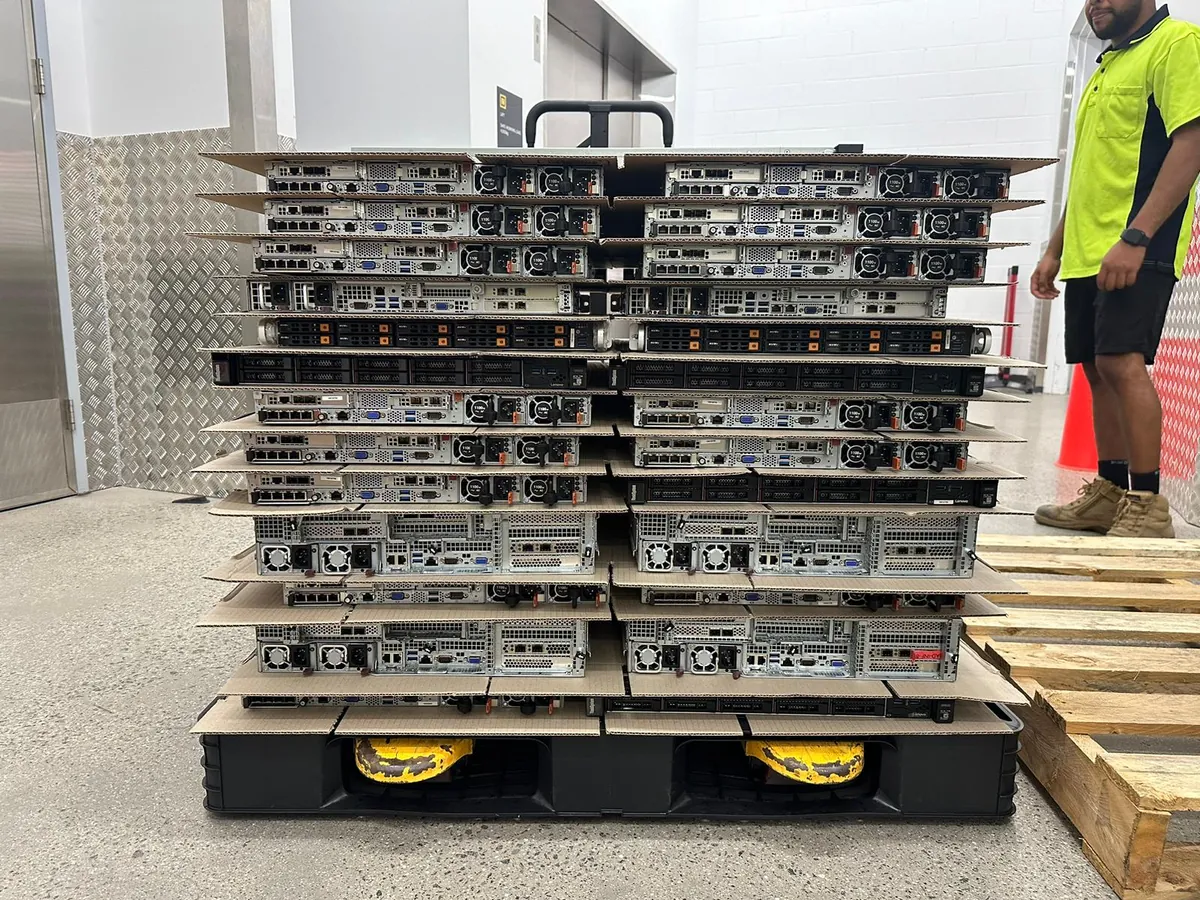
Determine whether the transaction works before freight is released
- Manufacturer
- Model
- Function
- Configuration
- Technical specifications
- Product documentation
- HS heading
- 8471.50
- Control status
- Assessed
- Description
- Matches the datasheet
Trade compliance is often treated as documentation.
For CFL, it is a transaction-control function.
The purpose is not simply to collect an invoice, packing list and HS code.
The purpose is to determine whether the available information supports a lawful, workable cross-border movement and to identify unresolved issues while the cargo is still under the customer's control.
What We Do
CFL reviews the elements that affect customs and cross-border execution.
Depending on the transaction, that can include the following areas.
Product identification and customs classification
A customs declaration is only as reliable as the information behind it.
Descriptions such as:
- “server”
- “IT equipment”
- “network device”
- “medical equipment”
may not provide enough information to establish an appropriate classification or identify regulatory requirements.
For specialist equipment, CFL may require manufacturer, model, technical specifications, function, configuration and supporting product documentation.
The objective is to align what the equipment actually is with what appears on the commercial and customs documentation.
Customs valuation
High-value infrastructure frequently moves under transactions that are not simple third-party sales.
Examples include:
- intercompany transfers;
- warranty replacements;
- free-of-charge replacements;
- demonstration equipment;
- customer-owned hardware;
- temporary movements;
- used or refurbished equipment.
Those movements still require a defensible customs value.
CFL reviews the commercial structure and identifies where additional valuation support may be required before declaration.
Country of origin
Origin can affect customs treatment, documentation and, in some situations, trade measures or preferential duty treatment.
Country of dispatch and country of origin are not necessarily the same thing.
A server shipped from a warehouse in the Netherlands may contain equipment manufactured elsewhere.
That distinction needs to remain clear throughout the shipment file.
Import requirements and documentation
Depending on the product and destination, additional documentation, registration, permits, conformity evidence or approvals may be relevant.
CFL's role is to identify the requirements affecting the import transaction and coordinate the information required for clearance.
Where a specialist certification, manufacturer action or regulator-specific determination is outside CFL's authority, that requirement is identified and assigned to the appropriate responsible party.
Export-control diligence
Certain technology transactions may require additional review based on the product, origin, destination, end user and intended use.
This is particularly relevant for advanced computing hardware and other technology that may fall under export-control regimes.
CFL can coordinate transaction-level diligence using available classification and product information and identify where further authorization or specialist review is necessary.
We do not present logistics advice as a substitute for a formal legal opinion or competent-authority determination.
Duties and import VAT
The customs structure has a financial consequence.
Before movement, CFL considers expected duty treatment, import VAT or equivalent taxes and how those amounts will be funded operationally.
Where VAT recovery, fiscal representation or tax treatment requires specialist tax advice, that advice remains outside the scope of CFL's customs execution role.
Our responsibility is to make sure those issues are visible before they become a clearance problem.
Why It Matters
A freight shipment can move thousands of kilometres while its compliance problem remains unresolved.
That creates an illusion of progress.
The cargo may be physically closer to the destination while the project is becoming operationally worse.
A correct compliance sequence works in the opposite direction:
identify product→understand transaction→establish classification→assess import structure→review export position→determine customs/tax treatment→confirm documentation→move freight
The goal is not bureaucracy.
The goal is eliminating questions while they are still inexpensive to answer.
Common Industry Failures
The recurring failures are usually predictable: classifications copied from old invoices without reviewing the current equipment; vague commercial descriptions; disagreement between invoice and technical specifications; export classification information requested only after freight has been booked; refurbished equipment declared as though it were new; incorrect assumptions around customs value; import VAT ignored until clearance; and products added to a shipment after the original compliance review was completed.
Another frequent mistake is treating every shipment as a completely new transaction.
Where the same product family is deployed repeatedly, previous classifications, product documentation and clearance history can create a useful reference base.
But previous clearance is evidence – not automatic approval for the next movement.
Changes in destination, end user, configuration, value or product can materially alter the transaction.
How the Three Services Work Together
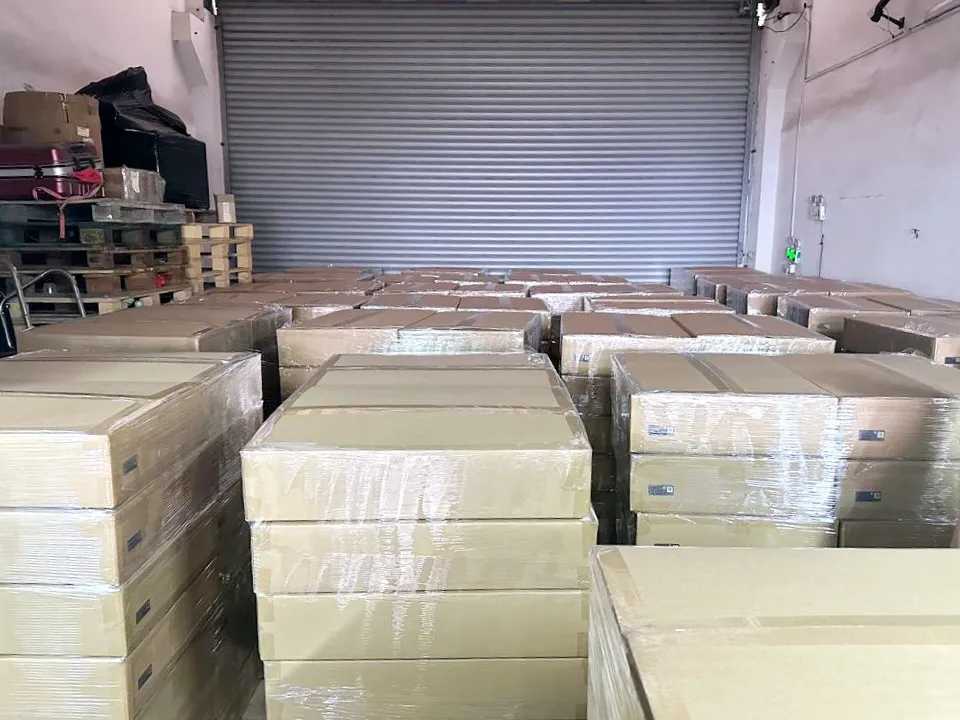
Scenario 2 – Multi-Vendor System Integration Project
A system integrator is delivering servers, switches, storage and related hardware from several manufacturers into a customer's overseas facility.
The hardware comes from different suppliers and has different invoices, origins and technical descriptions.
CFL first builds a consolidated view of the transaction.
Product documentation and classifications are reviewed. Importer responsibility is established. Duties and import VAT are mapped. The shipment documentation is aligned before consolidation.
Only then is the freight movement executed.
The integrator remains responsible for designing and installing the technical solution.
CFL controls the agreed cross-border execution.
Frequently Asked Questions
Does CFL provide export-control legal opinions?
No.
CFL performs and coordinates transaction-level trade-compliance diligence within our operational scope.
Where a transaction requires a formal legal interpretation, specialist classification or competent-authority authorization, we identify that requirement and work with the relevant information supplied by the responsible specialist or authority.
Can CFL determine duties and import VAT before shipment?
In many transactions, the expected customs duty and import VAT can be estimated once the product classification, customs value, origin, destination and transaction structure are sufficiently clear.
Those figures should be established as early as reasonably possible because they can materially affect the landed cost and cash required for clearance.
Who it is for
For teams whose shipments are held, queried or re-assessed more often than they should be – and for teams entering a market whose import requirements nobody in the organisation has read yet.
What we take on
Trade compliance is not a document check at the end. It is the work that decides whether the shipment is legal to move at all.
How it works
Scope the consignment
You send the bill of materials, the origin, the destination and the intended end use. Nothing else is needed to start.
Classify and control-check
Each line receives an HS heading and a control assessment. Anything dual-use is flagged with the authorisation it will need and the time it takes.
Screen the parties
Vendor, consignee and end user are screened against sanctions and denied-party lists, and the result is recorded in the file.
Map the destination requirements
Import permits, conformity marks and registration schemes for the country of import are listed with who has to hold each one.
File the applications
Licences and permits are applied for in parallel with the freight plan, so the authorisation is not the thing everyone is waiting on.
Hand over the file
You receive a compliance file: classifications with reasoning, screening results, licences and the documents each border will ask for.
What we need from you
Most compliance delays are caused by a missing datasheet, not by a regulator.
- Bill of materials with manufacturer part numbers
- Datasheets for anything with a processing unit, radio or battery in it
- Manufacturer's country of origin declaration
- Intended end use and end user, in writing
- Any classification the vendor has already issued
- The incoterm and the contract it comes from
- Destination country and site
- Planned shipping date, so the licence lead time can be worked backwards
Timelines & scope
Questions procurement asks
Can you review a classification our vendor already issued?
Yes, and we frequently do. A vendor classifies for its own export, not for your import; the heading that satisfies one authority is not automatically the heading the other expects.
Do we need trade compliance if we are not the importer of record?
You need it if your name is on the contract. Appointing an importer of record moves the customs liability, but it does not move the obligation to know what you are shipping.
What if the shipment is already in bond?
We can take over a held consignment: classification, valuation and licensing are reassessed, and the correction is filed with the authority. It is slower and more expensive than doing it first.
Do you cover US re-export control?
Yes. US-origin content is assessed for re-export exposure before booking, and where an authorisation is required we identify and apply for it.
Is this a subscription or per shipment?
Either. Most clients start per corridor and move to a standing arrangement once the same lanes repeat.
Talk to an Expert
Request a Corridor Check
Tell us the origin, the destination and what is moving. We come back with the licences you need, the duties you will pay, and how long it takes.
Every enquiry is answered by a trade compliance specialist within four business hours
sales@cflworldwide.com